Home Blog Page 5

The War Israel Can’t Afford: Why Economic Reality May End This Conflict Sooner Than Missiles

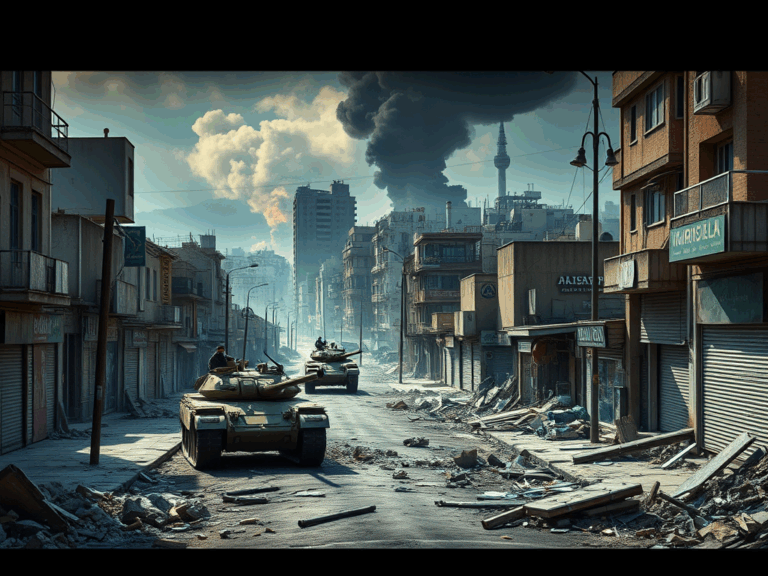
As tensions in the Middle East escalate, many eyes are on military manoeuvrers, missile strikes, and geopolitical alliances. But there is a deeper, quieter reality playing out beneath the explosions: the economic time bomb that could force a ceasefire long before any diplomatic resolution or military defeat.

A War of Attrition Israel Can’t Sustain

Modern Israel’s economy thrives on technology, services, and global investment. It is not built for a prolonged shutdown. With reservists pulled from the workforce, tourism decimated, and investors jittery, each day of continued conflict chips away at long-term stability. No economy, however resilient, can survive weeks of national disruption without consequences.

This is not a war-time economy in the traditional sense. There is no vast manufacturing base ramping up. There are no empty oil fields to monetise. Israel is a post-industrial economy facing a very industrial-style war of attrition.

Allies with Empty Pockets

Traditionally, Israel has relied on robust Western support in times of crisis. But this time, its closest allies are themselves teetering:

  • The UK economy just shrank by 0.3%. Consumer confidence is weak, and inflation is still biting.
  • Germany and France are battling stagnation and political instability.
  • The US, ahead of a presidential election, is cautious about deeper foreign entanglements with potentially inflationary consequences.

In short, nobody has the money or political will to write Israel a blank cheque. If Israel wants to rebuild after this, it will have to look inward — and inward is already broken.

Iran’s Quiet Strategy

Despite Israeli claims of air superiority over Iran, Tehran is playing the long game. Rather than exposing its best defences, Iran appears to be allowing Israeli flyovers while keeping its most strategic assets hidden. Hypersonic missile announcements and precision strikes by proxies point to a sophisticated, distributed deterrence strategy.

What else lies in reserve? Possibly more advanced missiles, cyber capabilities, and hardened defences not only inside Iran, but across the region in allied proxy states. This is a war of strategic patience, and Israel may have walked into a trap it cannot bomb its way out of.

Oil Prices: The Silent Threat

Escalation means oil disruption. The Houthis have already hit Red Sea shipping. If the Strait of Hormuz is affected, global markets will panic. That translates to:

  • Soaring energy bills in Europe
  • Renewed inflation pressure in the US
  • Supply chain slowdowns globally

And that’s without a single American or British soldier being deployed. Economic fallout is not a risk — it’s a certainty.

Rebuilding What?

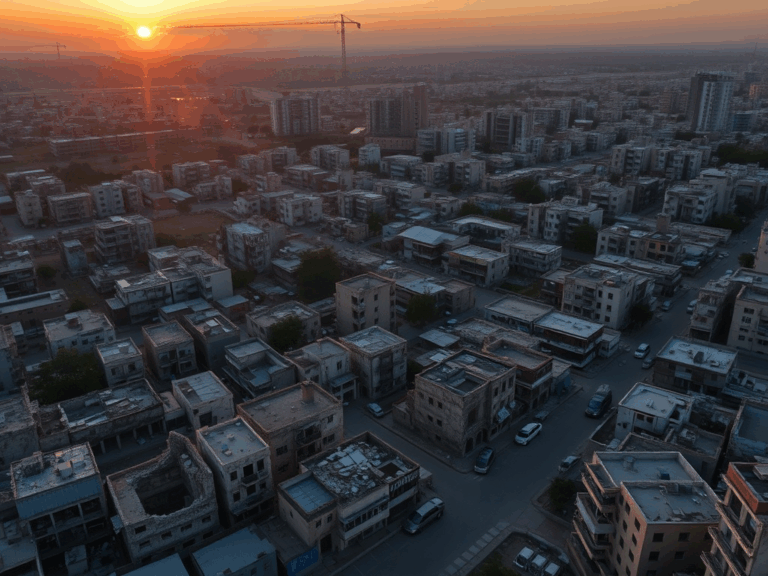
Even if Israel stopped fighting tomorrow, the damage is done. Investor confidence is shaken. Infrastructure has been hit. Diplomatic support is fraying. The cost to rebuild, both physically and reputationally, is vast.

Worse still, Israel has shown the world that its economy is not conflict-resilient. It is vulnerable, dependent on calm and foreign support. That seed of doubt has now been planted — and its growth will be hard to reverse.

Final Word

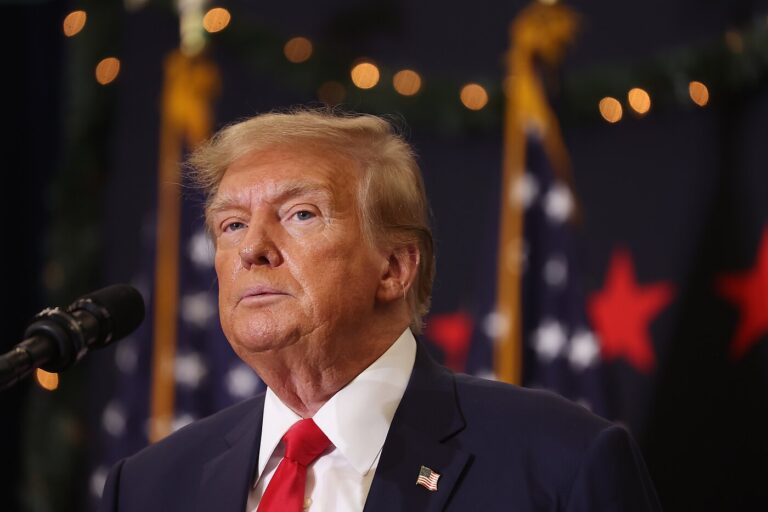
Trump’s hesitation may not be weakness, but calculation. By delaying action, he’s letting reality bite. Netanyahu, once the architect of a confident, defiant Israel, now finds himself exposed: militarily stretched, diplomatically isolated, and economically bleeding.

This is not just a military crisis. It is a slow-burning economic collapse in the making — and that may be the one weapon Israel cannot defend against.

J.D. Vance Outshines Trump—But at What Cost? How a VP Overshadowed His President and Wrecked U.S. Diplomacy

A Master Negotiator No More

Donald Trump built his brand on the idea that he was the ultimate dealmaker—the man who could walk into any negotiation, impose his will, and walk out with a “win.” But in the high-stakes arena of international diplomacy, where war, security, and the fate of nations are at stake, that bravado isn’t enough. His attempt to bring peace to Ukraine in “48 hours” has now stretched into uncertainty, and the primary reason isn’t Volodymyr Zelenskyy or European resistance. It’s his own Vice President, J.D. Vance.

J.D. Vance: The VP Who Took Over the Room

The defining moment of Trump’s latest diplomatic failure wasn’t a disagreement between world leaders—it was his own second-in-command stepping in and taking over. When Trump sat down with Zelenskyy, the expectation was that the two presidents would negotiate like, well, presidents. But that’s not what happened.

Instead, Vance, a relatively new figure on the global stage, decided to take control of the conversation. He repeatedly interrupted, turned what should have been a negotiation into a public humiliation, and escalated tensions instead of managing them. Trump, instead of reining him in, allowed it to happen. The result? A Ukrainian president who left feeling disrespected, a European alliance now more skeptical of Trump than ever, and a so-called “deal” that looks increasingly impossible.

Trump’s Negotiation Style: Reality TV Doesn’t Work in Geopolitics

Trump approached this meeting the way he handled boardrooms on The Apprentice—as a stage where he could pressure the other side into submission. But geopolitics isn’t about intimidation or making someone look weak on camera. It’s about balancing complex interests, managing egos, and securing mutual benefits, especially when the fate of millions is at stake.

Ukraine isn’t a contestant on a game show. Zelenskyy isn’t a rival businessman looking to outbid Trump on a real estate deal. This is a leader defending his country from an invasion, with Europe watching closely. And when Trump and Vance tried to frame Ukraine as “ungrateful,” they didn’t weaken Zelenskyy—they strengthened him. Now, Europeans are more united behind Ukraine, and Trump’s credibility as a peace negotiator has taken a massive hit.

What This Means for Trump’s Foreign Policy

Trump is now in a difficult position. He promised peace in 48 hours. That timeline is long gone. His administration is now talking about 100 days—an admission that the reality is far more complicated than he claimed. But even that will be harder now because Ukraine, after being disrespected in Washington, has no reason to trust Trump’s intentions.

Even worse, this is happening as Europe solidifies its stance. If Trump hoped to pressure Ukraine into a quick deal, he’s now facing a scenario where Zelenskyy has even stronger backing from allies. Instead of working with Ukraine, he and Vance have pushed them further away.

The Real Problem: Trump’s Weakness, Not Ukraine’s Resistance

The issue isn’t that Ukraine is being difficult. It’s that Trump let his own Vice President sabotage his strategy. A strong president would have managed the conversation, kept his own team in check, and ensured diplomacy wasn’t turned into a spectacle. Instead, he allowed Vance to take over and make the situation worse.

By shifting the blame onto Zelenskyy, Trump is trying to cover up his own failure to control the negotiation. But no amount of media spin will change the facts:

  • He failed to secure the deal he promised.
  • He lost credibility as a strongman negotiator.
  • He allowed his VP to hijack a critical diplomatic moment.

Now, instead of leading the path to peace, he looks like a bystander in his own administration.

What Happens Next?

Trump’s options are limited. He can continue to blame Ukraine and Europe, but that won’t solve his problem. If he genuinely wants to salvage this situation, he needs to take control back from Vance, rebuild trust with Ukraine, and engage in real diplomacy.

But given his track record, does anyone really believe he will?

The Hypocrisy of British Diplomacy: A Legacy at Risk

0

For decades, Britain positioned itself as a champion of democracy and human rights, often lecturing other nations—particularly former colonies—on governance and political principles. Yet recent events expose a glaring inconsistency that risks tarnishing its global legacy.

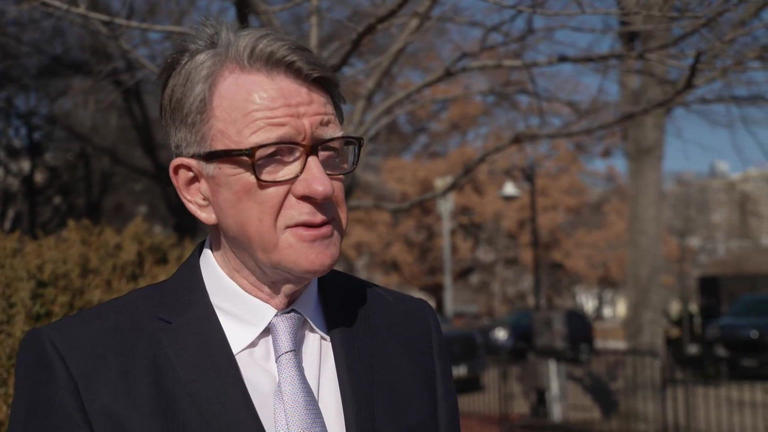
The UK’s reluctance to condemn undemocratic actions by allies, particularly during Donald Trump’s presidency, highlights a troubling double standard. Peter Mandelson’s call for Britain to respect Trump’s controversial decisions underscores this pragmatism at the expense of principle. This is the same country that historically condemned African leaders for far less, branding them as dictators when they expelled populations or suppressed dissent.

Consider Britain’s diminishing influence in regions where it once held considerable sway. In the Middle East, Britain played a central role in the creation of modern Israel. Today, it finds itself on the sidelines as Trump steamrolls through the region with little regard for diplomatic norms. Britain’s power has dwindled, and its attempts to appease Trump’s administration only underscore its desperation.

Meanwhile, former British colonies in Africa—countries like Zimbabwe, South Africa, and Tanzania—are increasingly looking to China for partnerships. Unlike Britain, China offers engagement without lectures on political systems or governance. This appeals to nations that want the freedom to develop political systems that reflect their unique cultural and historical contexts rather than being forced into Western molds.

The UK’s current trajectory is a stark departure from its former global standing. By prioritizing short-term diplomatic gains over long-term legacy, Britain risks alienating future global partners and diminishing its moral authority. Nations once criticized by Britain can now point to its actions as evidence that its supposed commitment to democracy was always self-serving.

If Britain truly values its legacy, it must return to principled diplomacy. It should condemn undemocratic actions regardless of short-term economic or diplomatic fallout. Otherwise, it will remain a fading shadow of its former self, remembered more for hypocrisy than leadership.

The Struggles of Zimbabwe’s Musicians: A Call for Change in an Exploited Industry

0

Zimbabwe’s music industry is filled with incredible talent, but beneath the surface, there lies a harsh reality: despite decades of hard work and international recognition, many of the country’s musicians continue to struggle financially. Legends like Alick Macheso, Tongai Moyo, and Nicholas Zakaria, who have dedicated their lives to crafting music that resonates with millions, still face the daily grind to make ends meet. This raises a critical question: why is it that after years of success, these musicians are still not financially secure? Why are their children, like Alick Macheso’s sons, being forced to continue in the same industry, not out of passion, but out of necessity?

While we celebrate the legacy these artists have built, we must also confront the uncomfortable reality that the music industry in Zimbabwe is not set up to reward the hard work and talent that these musicians contribute. For generations, the industry has failed to offer the financial stability that should be a basic right for anyone who has spent decades building their career. Instead, musicians are stuck in a cycle of under compensation, unable to break free from the very industry they helped to shape.

In Zimbabwe, the children of musicians often feel compelled to follow in their parents’ footsteps, not because they have a burning passion for music, but because it’s the only path they believe will provide them with financial security. Alick Macheso’s sons, for instance, have recently been lauded for continuing their father’s legacy in music. But one has to wonder: if their father had been properly compensated for his hard work, would his children be stepping into the same industry, struggling to make ends meet?

Looking at the global stage, the contrast is stark. The children of wealthy musicians, such as Michael Jackson’s offspring, enjoy the luxury of choosing their own careers without the burden of financial pressure. These children explore their passions, whether in music, acting, or other fields, without worrying about the financial security that their parents left behind. But in Zimbabwe, children of musicians like Tongai Moyo and Nicholas Zakaria often have no choice but to continue in the same industry, where the financial rewards are not commensurate with the sacrifices made.

Another alarming issue is the exploitation of musicians by promoters, who profit off their hard work while the artists receive a mere fraction of the rewards. There have been instances where promoters create flashy videos for musicians, upload them to platforms like YouTube, and make significant revenue through views and advertisements, yet the artists involved see very little of the money generated. This type of exploitation is unfortunately common in the industry, where promoters and other middlemen control the income flow, leaving musicians with only a fraction of the profits.

In an ideal world, musicians should have full control over their work and the ability to negotiate fair deals that ensure they are compensated adequately. But many musicians in Zimbabwe are not equipped with the knowledge or resources to protect their interests. This leads to an imbalance where the promoters and other stakeholders reap the rewards while the artists are left struggling.

The solution lies in unity and awareness. Musicians in Zimbabwe need to come together and form stronger associations, unions, or collectives that can advocate for their rights and push for fair compensation across the industry. By educating themselves about their financial and legal rights, musicians can protect themselves from exploitation and start demanding better deals with promoters, managers, and other industry players.

It is high time that the music industry in Zimbabwe is restructured to ensure that artists receive the financial rewards they deserve. The industry needs to offer long-term support for its talent, not just fleeting fame and exposure. If musicians are properly compensated for their work, they can build the financial foundations that will allow them to pass on a comfortable legacy to their children—one that gives them the freedom to pursue their own passions, without being shackled by the need to follow in their parents’ footsteps.

The time for change in Zimbabwe’s music industry is now. The industry must evolve to become one that sustains its artists both creatively and financially. The struggles of Alick Macheso, Tongai Moyo, Nicholas Zakaria, and many others should not be in vain. Their hard work should not only be remembered in the form of legacy, but also in the wealth they created for themselves and their families. By coming together, advocating for fair compensation, and demanding systemic change, Zimbabwe’s musicians can finally build an industry that supports them long into their careers—not just for today, but for future generations.

Trump’s Hypocrisy on Immigration: Will His Support for Israel’s Apartheid State Tarnish His Legacy Like ‘Genocide Joe’? Could Trump Be Forever Remembered as ‘The Ethnic Cleanser’?

0

As the Gaza crisis continues to unfold, an unsettling pattern has emerged in American foreign policy. U.S. President Donald Trump, who built much of his political identity on a hardline stance against immigration, is now pushing other countries to absorb Palestinian refugees displaced by violence. Yet this demand is at odds with his own immigration policies, where he sought to expel undocumented immigrants and prevent others from entering the U.S.

But this hypocrisy goes even deeper. If America and its allies truly cared about the fate of Palestinians, they wouldn’t be scrambling to force other nations to accept them. They would be demanding that Israel grant Palestinians equal rights, including citizenship, and invest in rebuilding Gaza for everyone who calls it home. Instead, by deflecting responsibility, the U.S. is complicit in perpetuating what is undeniably an apartheid system in Israel.

Apartheid by Definition

The term “apartheid” may evoke images of South Africa’s notorious regime, but it is defined under international law as any system of institutionalized racial segregation and oppression designed to maintain the dominance of one group over another. By this definition, Israel’s treatment of Palestinians fits the bill.

Segregated Legal Systems: In the occupied West Bank, Palestinians live under military law, while Israeli settlers in the same territory are governed by civilian law.
Restricted Movement: Palestinians face countless checkpoints, the separation wall, and severe travel restrictions that limit their freedom.
Resource Discrimination: Basic necessities like water and infrastructure are allocated unequally between Israeli settlers and Palestinian communities.
Denial of Citizenship: Perhaps the most telling feature of this apartheid system is Israel’s refusal to grant Palestinians in Gaza and the West Bank full citizenship and political rights.

If Palestinians were integrated into Israel as equal citizens, the refugee crisis would largely be resolved. Gaza could be rebuilt and developed, not as a perpetual war zone, but as a thriving part of the region.

America’s Double Standard

It’s remarkable that the same country that refuses to accept undocumented immigrants now pressures other nations to welcome Palestinians displaced by Israel’s apartheid. This double standard reveals a fundamental truth: America’s foreign policy isn’t about protecting human rights or fostering democracy. It’s about advancing its own geopolitical agenda.

Trump’s approach to Gaza is reminiscent of a risky move in chess—one that seems advantageous at first but forces a player to start defending multiple other pieces on the board. By advocating for the takeover of Gaza while pushing other countries to absorb Palestinians, Trump has set off a chain reaction of problems. He now faces the challenge of defending America’s credibility, managing international backlash, and justifying a strategy that creates more complications than solutions.

Just like in chess, there are no “magic moves” in geopolitics that solve everything instantly. Trump’s Gaza strategy has exposed America’s hypocrisy and forced him into a defensive position on the global chessboard.

Legacy Matters: Trump’s Moment of Choice

As Donald Trump navigates his second term as president, he must think carefully about his legacy. History will remember leaders not just for their rhetoric but for their actions. Joe Biden, for instance, will likely be remembered for the shocking atrocities that unfolded in Gaza. Many have already nicknamed him “Genocide Joe” due to the level of devastation and loss of civilian life. Whether or not this conflict is formally classified as genocide, Biden’s association with the bloodshed in Gaza will be etched into history, forever tainting his legacy.

This is a cautionary tale for Trump. Does he want to go down the same path as Biden, associated with mass violence and human suffering? Should another Israeli onslaught on Gaza—or any other country—occur under his watch, Trump’s name will be forever linked to it.

There is still an opportunity for Trump to choose a different legacy. He can position himself as the leader who finally stopped the atrocities and brokered a solution that ensured justice and equality for Palestinians. This is his defining moment. Legacy isn’t just about power—it’s about the impact a leader leaves behind.

The Moral Responsibility of Superpowers

America, as a self-proclaimed leader of the free world, often positions itself as a moral authority. Yet its actions frequently contradict those values. The Gaza crisis is a litmus test for America’s moral integrity. Supporting apartheid-like conditions while pressuring other nations to shoulder the consequences is not just hypocritical—it’s morally indefensible. Trump’s administration has a chance to break this cycle and realign America’s foreign policy with genuine human rights principles.

The Danger of Endless Cycles of Violence

History shows that unresolved injustices fester into future conflicts. By turning a blind eye to the systemic oppression of Palestinians, America and its allies are sowing the seeds of future unrest. Trump must recognize that the longer this crisis continues, the harder it will be to achieve any semblance of peace in the region. Ending this cycle would be a monumental legacy.

Economic and Political Stability

The Gaza conflict not only causes immense human suffering but also destabilizes the entire Middle East. Trump’s legacy would greatly benefit if he brokered a solution that stabilized the region economically and politically. The world would remember him as a leader who defied expectations and delivered peace where others failed.

If Trump cares about how history will remember him, now is the time for him to act decisively for peace and justice. The world will be watching.

Mnangagwa Taken for a Ride: The Embarrassing Chikumbutso Tech Fiasco and Its Impact on Zimbabwe’s Image

0

In what has become a major embarrassment for Zimbabwe, the Ministry of Information, Publicity, and Broadcasting Services, along with Permanent Secretary Nick Mangwana, recently deleted their social media posts celebrating Maxwell Chikumbutso’s so-called groundbreaking technological inventions. This move comes after mounting evidence suggested that the inventor may have misled government officials, including President Emmerson Mnangagwa.

Chikumbutso, the founder of Saith Technologies, paraded a range of alleged technological breakthroughs at State House, including the Saith FEV car, a hypersonic energy device, and motorbike designs purportedly powered by radio frequencies. President Mnangagwa cut short his national leave to witness the spectacle, lavishing praise on Chikumbutso and even claiming that the United States had offered the inventor $3 million to remain in the country and continue his work.

A Familiar Pattern of Gullibility

The government’s eagerness to endorse Chikumbutso’s unverified claims is reminiscent of the infamous Chinhoyi diesel hoax of 2007. In that scandal, Rotina Mavhunga, a traditional healer with only a grade 3 education, convinced senior ZANU-PF officials, including then-President Robert Mugabe, that diesel was naturally oozing from a rock in Maningwa Hills. Government ministers were so convinced that they even removed their shoes in reverence to ancestral spirits supposedly responsible for the phenomenon.

Like the Chinhoyi fiasco, the Chikumbutso saga highlights a disturbing pattern: Zimbabwean leaders’ propensity to fall for grandiose claims without proper vetting. This tendency not only wastes public resources but also tarnishes the country’s reputation on the global stage.

Publicity Over Due Diligence

One of the key issues at play is the government’s addiction to publicity. In their quest for positive headlines and public validation, Zimbabwean leaders often bypass critical vetting processes. President Mnangagwa’s decision to personally endorse Chikumbutso’s unverified technology underscores this problem. Instead of involving experts to thoroughly test the inventions over a period of months, the government hastily celebrated the claims without scientific validation.

The Ministry of Information’s now-deleted social media post described the Saith FEV as a “full self-powering electric vehicle, which is powered entirely by radio waves.” Such a statement defies current scientific understanding and should have raised immediate red flags. Yet, government officials were quick to amplify the claims without demanding evidence.

The Global Context: Lessons from Tech Scams

The tech industry is rife with fraudsters who prey on investors’ and governments’ eagerness to back the next big innovation. One of the most infamous cases is that of Elizabeth Holmes and Theranos, a company that claimed to have developed a revolutionary blood-testing technology. Holmes convinced seasoned investors to pour billions into her company, only for it to be exposed as a massive fraud years later.

Zimbabwe must learn from such examples. Due diligence and rigorous testing are essential before endorsing any technological claims. As one commentator pointed out, investigations into major tech breakthroughs cannot be conducted on the doorstep of State House. They require months of scrutiny by experts.

Science Requires Evidence

In science, the principle of “show, don’t tell” is paramount. For an invention to gain credibility, it must be demonstrated, described, and subjected to peer review. Chikumbutso has yet to provide substantial evidence to support his claims. Until such evidence is presented, skepticism is not only justified but necessary.

Some defenders of Chikumbutso have accused critics of jealousy and sabotage, drawing comparisons to Nikola Tesla. However, Tesla’s work was thoroughly documented and validated by his peers. Without similar validation, Chikumbutso’s claims remain dubious.

The Political Risks of Premature Endorsement

The decision to involve President Mnangagwa in the promotion of Chikumbutso’s unverified technology was a strategic blunder. Political leaders should avoid becoming directly involved in endorsing technological products until they have been thoroughly vetted and tested. The risks far outweigh the benefits, as evidenced by the Chinhoyi diesel hoax and now the Chikumbutso saga.

Political endorsement of unproven technology not only exposes the government to ridicule but also undermines public trust. The lack of vetting procedures makes Zimbabwe vulnerable to scams and damages its credibility on the international stage.

A Call for Change

To prevent future embarrassments and foster a culture of innovation and credibility, Zimbabwe must take the following steps:

  1. Implement a Rigorous Vetting Process: Establish a formal vetting process for technological claims, involving experts from scientific and engineering fields.
  2. Separate Politics from Innovation: Political leaders should avoid becoming the face of technological inventions until they are thoroughly vetted.
  3. Promote Evidence-Based Science: Encourage inventors to present their work to peer-reviewed forums rather than seeking immediate political endorsements.
  4. Learn from Past Mistakes: The Chinhoyi diesel hoax and the current Chikumbutso fiasco should serve as cautionary tales.

Conclusion

Zimbabwe stands at a crossroads. The nation can either continue to be a target for con artists and ridicule or foster a culture of innovation built on evidence, integrity, and scientific rigor. The government’s role should be to create an environment where genuine innovation thrives, not to become a platform for unverified claims. Only by learning from past mistakes can Zimbabwe restore its credibility and unlock its true potential in the global technology landscape.

The Impact of Questionable Wealth Accumulation on Zimbabwe’s Image

0

Zimbabwe, a nation blessed with abundant natural resources and a resilient population, has long grappled with economic instability and widespread corruption. One of the most damaging factors tarnishing its reputation is the emergence of ultra-wealthy individuals whose sudden fortunes often raise concerns about the fairness and transparency of the country’s economic and political systems. Figures like Wicknell Chivayo, Philip Chiyangwa, and Justice Mayor Wadyajena serve as prime examples of how questionable wealth accumulation fuels public discontent and undermines trust in both the government and private sector.


Wealth Through Controversy: High-Profile Figures Under Scrutiny

Wicknell Chivayo: Energy Mogul with a Clouded Reputation

Wicknell Chivayo is one of Zimbabwe’s most flamboyant businessmen, known for his lavish lifestyle and controversial business dealings. He rose to prominence through Intratrek Zimbabwe, a company that secured high-value government contracts, most notably the $173 million Gwanda Solar Project. Despite receiving millions in payments, the project remains incomplete, leading to widespread criticism and allegations of corruption.

Although Chivayo was acquitted of fraud charges, the lack of accountability surrounding the project continues to fuel public skepticism. His claims of wealth accumulation through hard work in sectors such as fuel transportation, where he reportedly manages 50 trucks, have been met with doubt. Industry experts argue that generating millions solely from such operations in Zimbabwe’s challenging economic environment is highly improbable without additional, potentially questionable, revenue streams.


Philip Chiyangwa: From Politician to Property Tycoon

Philip Chiyangwa is a property mogul, businessman, and former ZANU-PF politician. Renowned for his extravagant lifestyle, including luxury cars and mansions, Chiyangwa portrays himself as a self-made entrepreneur. However, his rise to wealth has been marred by allegations of corruption and preferential treatment.

His fortune is largely linked to vast property deals in and around Harare, reportedly acquired through political connections during the chaotic land reform program. Chiyangwa has faced legal troubles in the past, including an arrest on allegations of espionage and corruption, though the charges were eventually dropped. His opaque business dealings have fueled persistent speculation about the legitimacy of his wealth.


Justice Mayor Wadyajena: The Young Tycoon with Legal Troubles

Justice Mayor Wadyajena is a youthful ZANU-PF politician and businessman who has amassed considerable wealth at a relatively young age. He is known for his flashy lifestyle, which includes luxury vehicles such as Lamborghini SUVs and high-end properties.

Wadyajena’s rise to wealth is often attributed to his political connections. In 2022, he was arrested and charged with fraud and money laundering involving over $5 million linked to the Cotton Company of Zimbabwe (COTTCO). The case highlighted how political figures allegedly misuse public resources for personal enrichment. Despite these allegations, Wadyajena continues to wield significant influence in political and business circles.


The Damage to Zimbabwe’s Image

The accumulation of wealth by figures like Chivayo, Chiyangwa, and Wadyajena has far-reaching consequences for Zimbabwe’s image and development:

  1. Perception of Corruption:
    The prominence of wealthy individuals with ties to state contracts fuels perceptions that success in Zimbabwe is contingent on political connections and corrupt dealings rather than merit and hard work.
  2. Discouraging Investment:
    When foreign investors observe a business environment lacking transparency and accountability, they become hesitant to invest. This stifles economic growth and limits job creation opportunities for Zimbabweans.
  3. Undermining Meritocracy:
    Aspiring entrepreneurs and professionals are demotivated when they see wealth being amassed through dubious means. This discourages innovation and reinforces a culture where political patronage is seen as the primary path to success.
  4. Damaging Philanthropy’s Image:
    Genuine acts of philanthropy are often overshadowed by extravagant spending designed to maintain political loyalty or bolster personal images. This diminishes the positive impact that legitimate charitable efforts can have on society.

The Way Forward: Rebuilding Trust and Transparency

To restore Zimbabwe’s reputation and foster sustainable economic growth, several critical steps must be taken:

  • Strengthening Institutions:
    Independent anti-corruption bodies must be empowered to investigate and hold accountable those involved in illicit activities, regardless of their political affiliations.
  • Transparent Procurement Processes:
    Government contracts should be awarded through competitive and transparent processes to ensure value for taxpayers’ money.
  • Encouraging Merit-Based Success:
    The government and private sector should create environments where success is based on hard work, innovation, and adherence to the rule of law.
  • Holding Public Officials Accountable:
    Politicians and businesspeople must be held accountable for illicit financial activities, with impartial investigations and prosecutions.

Zimbabwe has the potential to be a beacon of economic stability and growth in Africa. However, for this vision to become a reality, the country must address the culture of impunity and questionable wealth accumulation that continues to tarnish its image. By fostering transparency, accountability, and meritocracy, Zimbabwe can create an environment where wealth is built through genuine effort and innovation rather than political privilege. Only then can it reclaim its place as a respected and prosperous nation on the global stage.

Zanu PF’s Déjà Vu: Falling for Fantasies from Diesel Rocks to Radio Waves

0

In what appears to be a disturbing case of history repeating itself, Zanu PF officials are once again rallying behind what seems to be an unverified technological claim—this time by Zimbabwean inventor Maxwell Chikumbutso. Chikumbutso recently presented his so-called “Dunamis technology” to President Mnangagwa, claiming that it can convert radio frequencies into usable energy to power vehicles and other devices. The bold assertions have been hailed as a groundbreaking victory by members of the ruling party, reminiscent of the fervor seen during the infamous “diesel from rocks” saga.

For those who may have forgotten, the “diesel from rocks” incident occurred in 2007 when a traditional healer, Rotina Mavhunga, duped senior government officials into believing she could extract diesel fuel from rocks in Chinhoyi. Zanu PF ministers and other high-ranking officials celebrated the supposed discovery, even conducting elaborate rituals and dispatching engineers to investigate the claims. In the end, the entire spectacle was exposed as a hoax, leaving the government embarrassed and the nation questioning the intelligence of its leadership.

Fast forward to 2025, and it seems the lessons from that debacle have not been learned. Chikumbutso’s claims, while intriguing, defy established scientific principles, particularly the law of conservation of energy. The idea that radio frequencies can be converted into limitless energy is not supported by any credible scientific research. Yet, without demanding independent verification or peer-reviewed evidence, Zanu PF officials are once again celebrating what may very well be another baseless fantasy.

The willingness of Zanu PF bigwigs to endorse such questionable claims without scrutiny speaks volumes about their lack of critical thinking and scientific literacy. Instead of fostering a culture of innovation grounded in rigorous testing and verification, they seem content to chase fantastical notions that offer short-term political wins but long-term embarrassment.

This blind faith in unverified technology not only undermines Zimbabwe’s credibility on the global stage but also diverts attention from the pressing issues facing the nation. With a struggling economy, rampant unemployment, and deteriorating infrastructure, Zimbabwe needs real solutions, not science fiction fantasies.

If Zanu PF truly wants to champion innovation and technological advancement, it must adopt a more discerning approach. This includes seeking expert opinions, demanding empirical evidence, and being willing to challenge claims that sound too good to be true. Failure to do so will only perpetuate the cycle of gullibility and humiliation that has plagued the party in the past.

The parallels between the “diesel from rocks” saga and the current Chikumbutso affair are too stark to ignore. Zanu PF must wake up to the reality that genuine progress requires intelligence, skepticism, and accountability. Until then, the party risks being hoodwinked time and time again, much to the detriment of the nation it claims to serve.

Mnangagwa’s Dilemma: A Legacy at Risk

0

When President Emmerson Mnangagwa came into power in 2017 after the dramatic fall of Robert Mugabe, many Zimbabweans saw this as a turning point. With the mantra “Zimbabwe is open for business,” he promised a new era of openness, reform, and economic revival. However, as whispers grow louder about his potential desire to extend his stay in office, despite constitutional limitations, it is becoming increasingly clear that Mnangagwa risks cementing a legacy not of renewal but of stagnation — a continuation of Mugabe’s rule by other means.

A Legacy on the Brink

Although Mnangagwa himself has not publicly announced a bid for another term, his allies are already positioning him as the only viable leader for Zimbabwe. This strategy not only undermines the very democratic processes that Zimbabwe so desperately needs but also contradicts the spirit of renewal he promised when taking office. Mugabe’s regime was notorious for constitutional manipulations to entrench power, including transitioning from prime minister to executive president and extending term limits. Mnangagwa risks walking down that same well-worn path.

Failed Economic Promises

One of Mnangagwa’s central promises was to transform Zimbabwe’s economy by attracting foreign investment. However, the reality has been far from the rosy picture painted during his early days. Instead of a business-friendly environment, Zimbabwe continues to witness capital flight, dwindling investor confidence, and the departure of key financial institutions. Banks like Standard Chartered and other international firms have exited the market, citing an unpredictable business climate. This is not the “open for business” Zimbabwe that Mnangagwa promised.

The Absence of a Vision

A critical challenge Mnangagwa faces is the lack of a clear, transformative vision for the country. Unlike leaders who mentor successors and establish enduring blueprints for national development, Mnangagwa appears to be stuck perpetuating Mugabe’s legacy — a legacy characterized by economic decline, political repression, and constitutional manipulation. Without a coherent vision or tangible achievements to hand over, his desire to remain in power appears more like a desperate bid for relevance rather than a genuine effort to lead Zimbabwe forward.

The Decent Thing to Do

If Mnangagwa truly wants to be remembered as a reformer and not just another authoritarian leader clinging to power, he must announce his intention to step down at the end of his term. More importantly, he should invest in identifying and mentoring a capable successor who can carry Zimbabwe forward. This would demonstrate genuine statesmanship and a commitment to Zimbabwe’s democratic future.

Zimbabwe stands at a crossroads. Mnangagwa can either continue the cycle of political manipulation and stagnation or choose a path that secures his legacy as a leader who understood when to step aside for the good of the nation. True greatness in leadership is often defined not by how long one stays in power, but by the wisdom to know when to let go.

Constitutional Amendments or Power Grab? Zimbabwe’s Struggle for Stability and Democracy

0

The recent proposal to amend the Zimbabwean Constitution to extend the term of President Emmerson Mnangagwa and other political office holders has sparked intense debate and controversy. On the one hand, proponents argue that such amendments are necessary to allow for continued economic development and stability, while on the other hand, critics decry the move as an effort to entrench political power at the expense of the country’s democratic processes.

Energy Mutodi, the Zanu-PF parliamentarian who confirmed the efforts to amend the constitution, has positioned himself as a key advocate for this change. However, his personal history adds a layer of controversy to his public stance. Mutodi, widely known for his serial womanizing and the scandal involving his forced marriages to both his wife and her sister, seems a polarizing figure within Zimbabwean politics. His endorsement of this constitutional amendment only heightens suspicions of a broader agenda within the ruling party to preserve its power indefinitely.

The supporters of the draft motion argue that extending the president’s term will allow for uninterrupted progress on the country’s development path, a claim that is heavily contested by Zimbabweans who feel the current leadership has failed to address pressing issues like unemployment, economic mismanagement, and crumbling infrastructure. The comparison to other failed states, such as Syria and Somalia, is an uncomfortable one for Zimbabweans, who point to the worsening economic and social conditions under Mnangagwa’s administration.

Critics like constitutional expert Lovemore Madhuku and opposition figures have strongly opposed the motion, urging the public to resist any attempts to modify the constitution to prolong Mnangagwa’s term. The push for such amendments, they argue, reflects the entrenched desire for a political elite to hold on to power rather than genuinely address the country’s challenges. The fact that some members of the opposition CCC, particularly from the faction led by Welshman Ncube, are allegedly supporting these amendments further complicates the situation and raises questions about the true nature of the opposition in Zimbabwe.

The leaked draft motion, despite the denials from some opposition figures like Charles Moyo, appears to be gaining traction within the corridors of power, with 22 CCC parliamentarians and numerous Zanu-PF lawmakers backing it. This suggests that a significant section of the political establishment is aligned with this push for an extended rule. However, as commentators have noted, constitutional amendments of this nature could face significant opposition in a national referendum, particularly in light of the widespread dissatisfaction with the current leadership.

The potential for a split within the ruling party, as highlighted by some of the responses, could indeed play a crucial role in shaping the 2028 elections. Zanu-PF’s historical struggle to handle its electoral victories, particularly in years ending in 3 and 8, could be exacerbated by internal divisions over the 2030 agenda. A failure to secure the necessary public support for these constitutional changes might create a fertile ground for the opposition to capitalize on the government’s vulnerability.

In conclusion, while the argument for constitutional amendments to extend presidential terms is framed as a means of ensuring stability and continued progress, the broader context of Zimbabwe’s political landscape paints a picture of a ruling elite desperately clinging to power. With a population disillusioned by the economic challenges they face and an opposition increasingly vocal about their discontent, this move could have the opposite effect, provoking public resistance and deepening political divisions. Zimbabwe’s future will hinge on whether the country’s leaders can recognize the importance of peaceful political transitions and address the underlying issues that continue to hinder the nation’s development.