

By Samuel Musarika
One of the quiet scandals of modern Western coverage of war and protest is not what is reported, but how certainty is rationed.
Consider Iran. When protests erupt, Western outlets and NGOs routinely report precise death tolls with confidence. The US based Human Rights Activists News Agency can “confirm” thousands of deaths, often down to specific figures, even amid internet shutdowns, mass arrests, and opaque state repression. These numbers are treated as authoritative, repeated without ritual caveats, and woven directly into headlines.
Now consider Gaza.
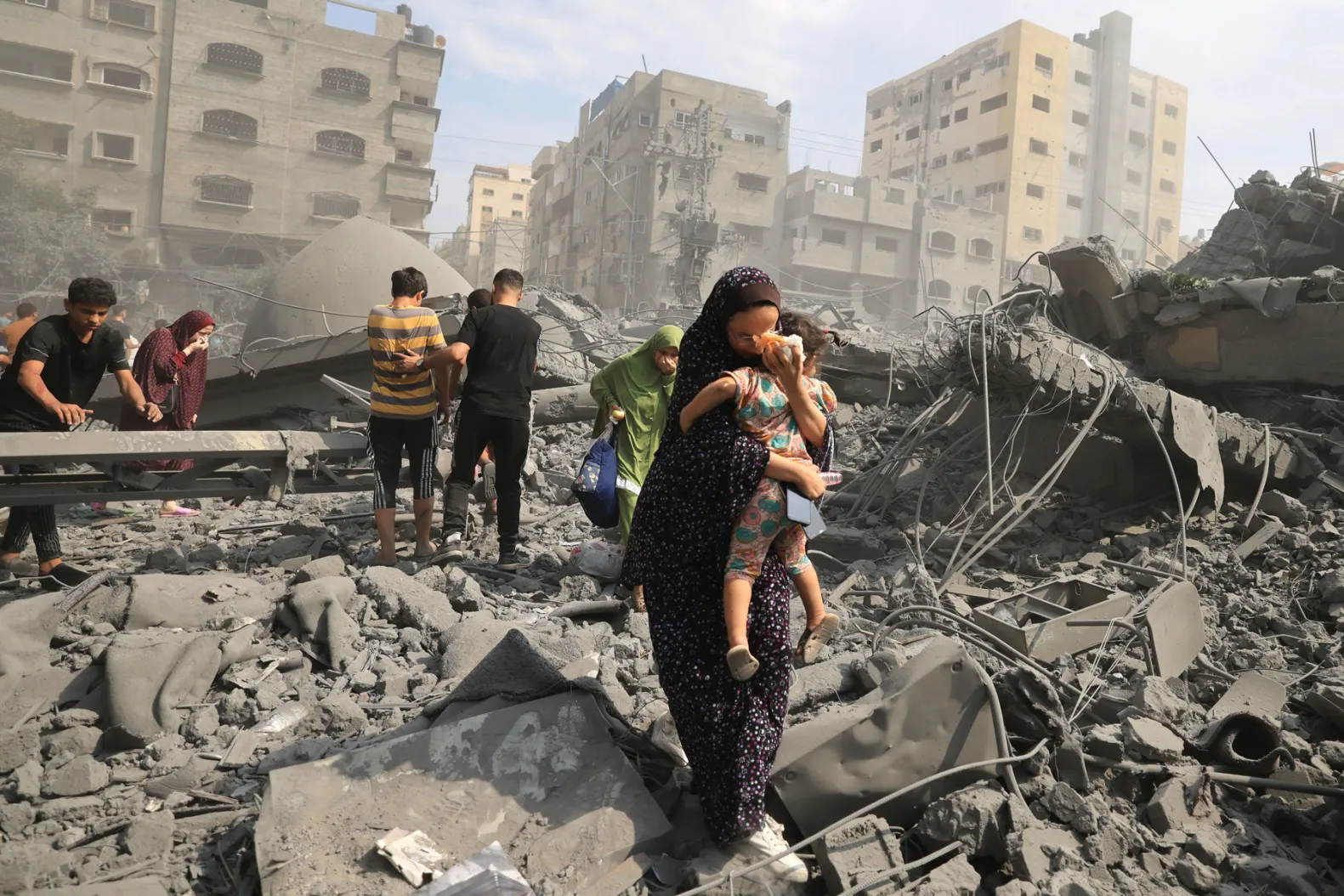
Suddenly, certainty evaporates. Death tolls become awkward. Numbers are hedged, bracketed, distanced. We are told, again and again, that figures come “according to the Hamas run health authority”, as if this phrase alone were enough to suspend normal standards of reporting. Outlets such as the BBC repeat this formulation relentlessly, even when the same data is later corroborated by the United Nations, international medical organisations, satellite analysis, and on the ground journalists.
The question is not whether scepticism is appropriate. It always is. The question is why scepticism is applied selectively.
If casualty figures emerging from Iran can be treated as credible despite severe information constraints, why are figures from Gaza treated as uniquely suspect, even when produced by a functioning civil health system with decades of historical reliability? Gaza’s health authorities have, across multiple conflicts, produced figures later found to be broadly accurate by independent investigators. Yet the ritual disclaimer persists, functioning less as transparency and more as a moral distancing device.
This is not neutral journalism. It is narrative signalling.
By constantly qualifying Palestinian death counts while reporting Iranian figures with confidence, Western media implicitly tells audiences whose suffering is trustworthy and whose is perpetually in doubt. The effect is cumulative. It does not merely inform; it conditions.
The role of NGOs compounds the problem. Organisations that rightly demand evidentiary rigour in some contexts appear strangely comfortable with uncertainty in others. The standards shift depending on the geopolitical sensitivities involved. Where Israel is concerned, the burden of proof becomes infinite. Where its adversaries are concerned, inference becomes acceptable.
This double standard does not protect truth. It undermines it.
Worse still, it corrodes the very idea of a rules based international order. If civilian deaths only “count” when they occur under the right political conditions, then international humanitarian law becomes performative rather than universal. Law turns into language, and language into cover.
Defenders of this practice argue that Gaza is “different” because of Hamas. But this argument collapses on inspection. Health data does not become invalid because a governing authority is politically objectionable. If it did, vast swathes of global health reporting would cease overnight. Journalists do not stop reporting hospital deaths in authoritarian states simply because they dislike the government in power.
The deeper issue is not Hamas, or Iran, or Israel. It is Western discomfort with moral consistency.
Acknowledging the scale of civilian death in Gaza forces uncomfortable questions about complicity, arms sales, diplomatic cover, and selective enforcement of international law. Qualifying the numbers allows those questions to be deferred indefinitely. “According to” becomes a way of saying, this matters less.
This matters enormously in the current global climate. As Western governments lecture others on human rights while tolerating or enabling violations by allies, their credibility erodes. Figures like Donald Trump do not create this hypocrisy. They exploit it. When international norms are already bent, it becomes easy to snap them entirely.
Journalism and human rights advocacy do not need to abandon scepticism. They need to apply it evenly.
If numbers can be trusted in Tehran, they can be interrogated honestly in Gaza. If caveats are necessary in Gaza, they should be used consistently elsewhere. Anything less is not rigour. It is politics by other means.
And audiences are not stupid. They notice which lives are footnoted and which are counted.
In the long run, selective outrage does more damage to Western institutions than any hostile propaganda campaign ever could. It teaches the world that principles are conditional, empathy is negotiable, and truth is strategic.
That is a lesson the world is already learning. And it is not learning it kindly.
