

Europe is once again standing at the edge of a conflict it did not choose, cannot control, and will ultimately pay for. The escalating confrontation between the United States and Iran bears all the hallmarks of a familiar disaster. For NATO governments, this is the moment to stop reacting and start deciding.
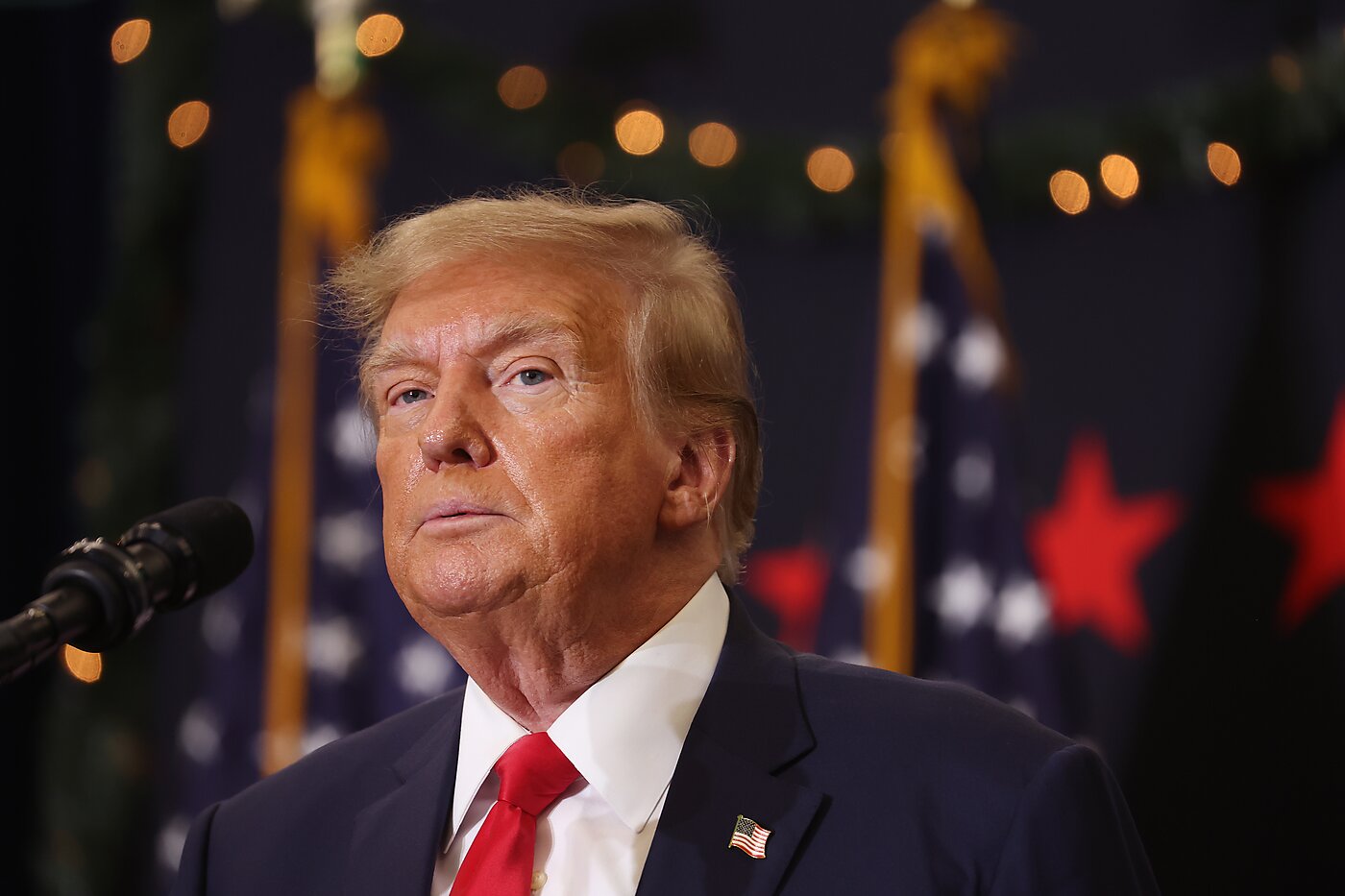
The language coming from Donald Trump is not diplomatic signalling. It is pre-war escalation. Public ultimatums, talk of “massive armadas”, and warnings that “time is running out” are not tools of negotiation. They are the final steps in manufacturing consent for force.
Europe has seen this movie before.
In 2003, allies were told that Iraq posed an urgent and intolerable threat. Military build-ups were framed as leverage for diplomacy. War was sold as a last resort. Once the first strikes landed, the logic of alliance loyalty took over, and European governments found themselves complicit in a conflict that reshaped global politics for a generation.
Iran is not Iraq. It is larger, more cohesive, and embedded across the Middle East through economic, political, and military networks. Any US strike, however “limited”, will trigger retaliation that cannot be geographically contained. Shipping lanes, energy infrastructure, regional capitals, and US bases will all become potential flashpoints. At that point, the war will no longer belong to Washington alone.
For NATO, the danger is structural. Even without a formal Article 5 invocation, European allies will be drawn in through basing agreements, intelligence sharing, air defence support, naval escorts, and logistical integration. These roles are always described as defensive. They never remain so. Once European forces are embedded, political autonomy collapses under the weight of alliance expectations.
This conflict, if it comes, will outlive any single presidency. Iran does not need to defeat the United States militarily. It only needs to prolong instability long enough to exhaust political will and fracture alliances. Europe will bear the economic and security consequences long after the original decision-makers have left office.
The economic risks alone should give pause. A war in the Gulf would send energy prices soaring, disrupt global trade, and deepen economic stress across Europe at a moment of already fragile growth. Inflation, supply chain shocks, and market volatility would hit European households immediately. The Global South would suffer even more severely, amplifying migration pressures and regional instability that Europe would then be expected to manage.
None of this is inevitable.
Iran has signalled willingness to engage in dialogue. Regional actors are desperate to avoid escalation. What is missing is not an off-ramp, but restraint. And restraint cannot come solely from Washington.
NATO governments must ask themselves a hard question. Is alliance loyalty compatible with strategic blindness? Or does loyalty sometimes require saying no, early and clearly, before momentum becomes destiny?
Europe’s security interests are not identical to those of the United States. They never have been. Treating them as interchangeable has repeatedly led Europe into wars that undermine its own stability, credibility, and economic resilience. That mistake cannot be repeated.
This is not a call to abandon alliances. It is a call to act like adults within them.
European governments should insist on diplomacy over coercion, de-escalation over spectacle, and collective restraint over unilateral action. They should make clear that NATO is a defensive alliance, not a blank cheque for wars of choice. Silence now will be read as consent later.
History will not be kind to those who claim they had no choice. There is still a choice. But the window is closing.
Europe must decide whether it will once again be dragged into a war it neither wants nor controls, or whether it will finally assert that alliance does not mean obedience.
The time for private unease has passed. This is the moment for public clarity.
