

By Samuel Musarika
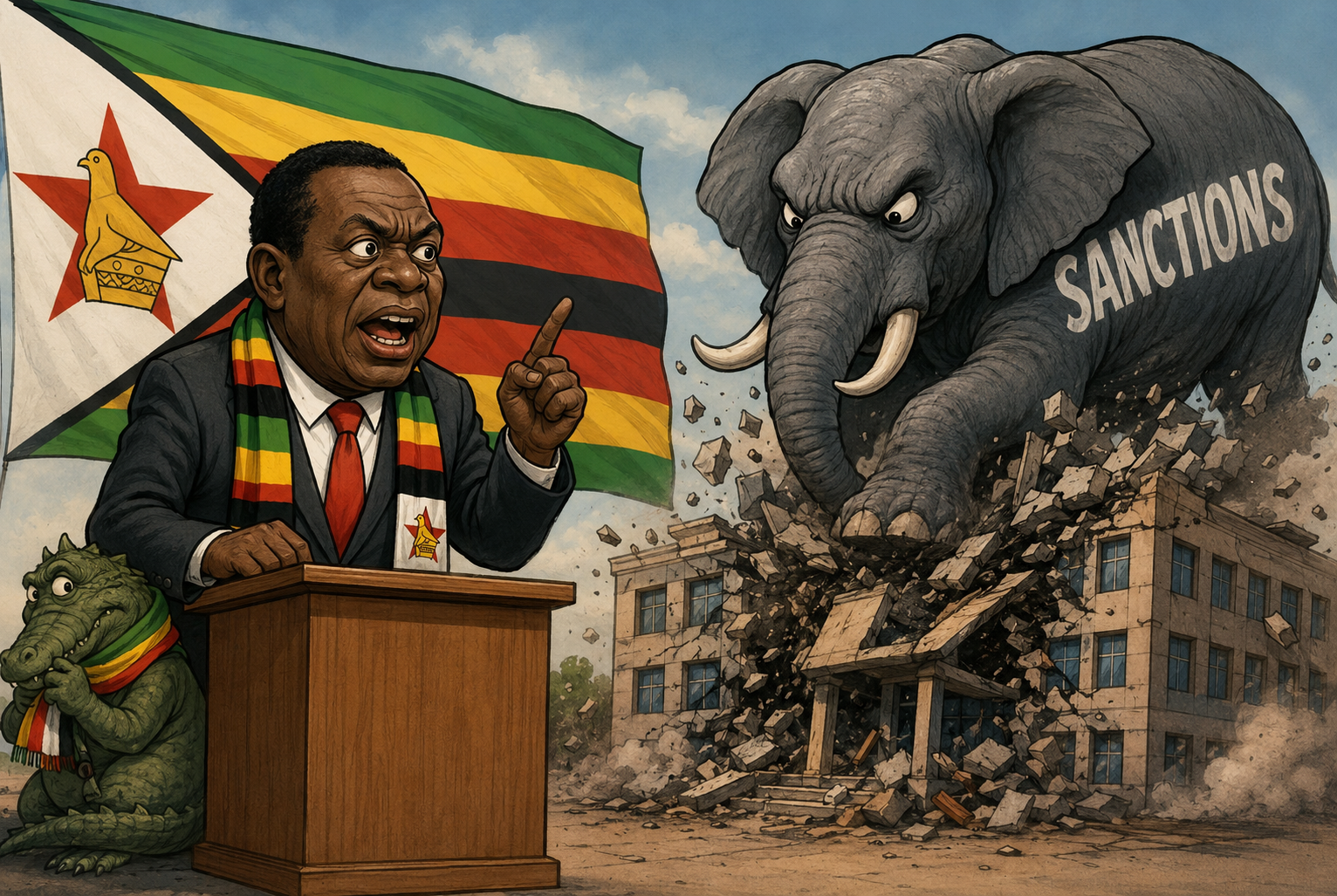
In the grand tradition of Zimbabwean political spin, Rutendo Benson Matinyarare has once again delivered a masterclass in selective storytelling. His recent post celebrating new cancer machines from the Netherlands reads like a victory lap for the anti-sanctions crusade. According to him, these shiny new radiotherapy units arrived solely because Joe Biden and the EU finally lifted their evil prohibitions in 2024, ending a 25-year ban that supposedly stopped Zimbabwe from importing or repairing life-saving medical equipment.
Bless his heart. If only reality were as simple as a sanctions scapegoat.
The “25-Year Medical Embargo” That Never Existed
Let’s be clear: US and EU sanctions on Zimbabwe were targeted measures focused on specific individuals, companies, and entities tied to human rights abuses, corruption, and political violence. They were never a comprehensive trade embargo like those on North Korea or pre-2003 Iraq.
Medical equipment, medicines, and humanitarian goods have long enjoyed broad exemptions under US OFAC rules and EU regulations. Sellers could (and did) export such items with proper due diligence. The idea that Zimbabwe was legally barred for a quarter-century from buying cancer machines is not “economical with the truth”, it’s sprinting in the opposite direction of it.
Problems with radiotherapy machines at Parirenyatwa and Mpilo hospitals are well-documented and go back decades. As far back as 2006, the IAEA reported that all three radiotherapy machines in the country were broken down. The issues? Maintenance costs, a lack of trained engineers (many had emigrated), and budget constraints, not a grand Western conspiracy blocking imports.
Zimbabwe’s healthcare woes have always been a toxic cocktail of:
- Chronic foreign currency shortages
- Economic mismanagement and hyperinflation in the 2000s
- Corruption and elite capture of resources
- Brain drain of medical professionals
- Overcompliance by nervous international banks (a real but secondary effect)
Matinyarare’s narrative conveniently airbrushes these away in favour of pure sanctions villainy.
The Timing Tells a Different Story
Yes, new machines have arrived, funded in part by a sugar tax levy. That’s genuinely good news for patients. But Matinyarare’s cause-and-effect is cartoonish. Repairs to old machines began after the 2024 easing, but the deeper truth is that improved fiscal space, revenue measures, and reduced political risk made the deals easier, not the sudden lifting of a fictional total ban on medical imports.
If sanctions were truly the impenetrable wall he claims, how did any medicine, dialysis equipment, or ambulances ever reach Zimbabwe over the past two decades? The selective outrage is almost impressive.
The Real Crime Against Humanity
Sanctions did impose costs, reputational stigma, higher financing costs, and bureaucratic headaches. Reasonable people can debate their effectiveness and fairness. But pretending they were the root cause of every broken hospital machine requires Olympic-level mental gymnastics. Zimbabwe’s governance challenges, policy zigzags, and failure to build resilient local capacity share far more blame.
Matinyarare and the anti-sanctions movement treat every positive development post-2024 as divine proof that sanctions were the only problem. This is classic “heads I win, tails the West cheated” logic. When things go wrong under sanctions: “Sanctions!” When things improve after partial lifting: “See? Sanctions were the problem all along!”
The new cancer machines are welcome. Credit where it’s due, to the technicians, funders, and health ministry staff making it happen. But dressing this up as the triumphant end to a 25-year medical blockade isn’t advocacy. It’s propaganda that insults the intelligence of Zimbabweans who lived through the real, multifaceted crises.
Zimbabwe deserves better than perpetual victimhood narratives. It deserves honest diagnosis of its problems: governance, accountability, and economic competence included. Rutendo, if you’re going to fight for the people, try fighting with the full truth next time. The partial version isn’t saving any lives.
