

What is unfolding inside ZANU PF is no longer routine factionalism. This is not the familiar internal jostling that the party has historically managed, contained or weaponised. What we are witnessing instead is a party at a crossroads, running out of time, options and unifying authority.
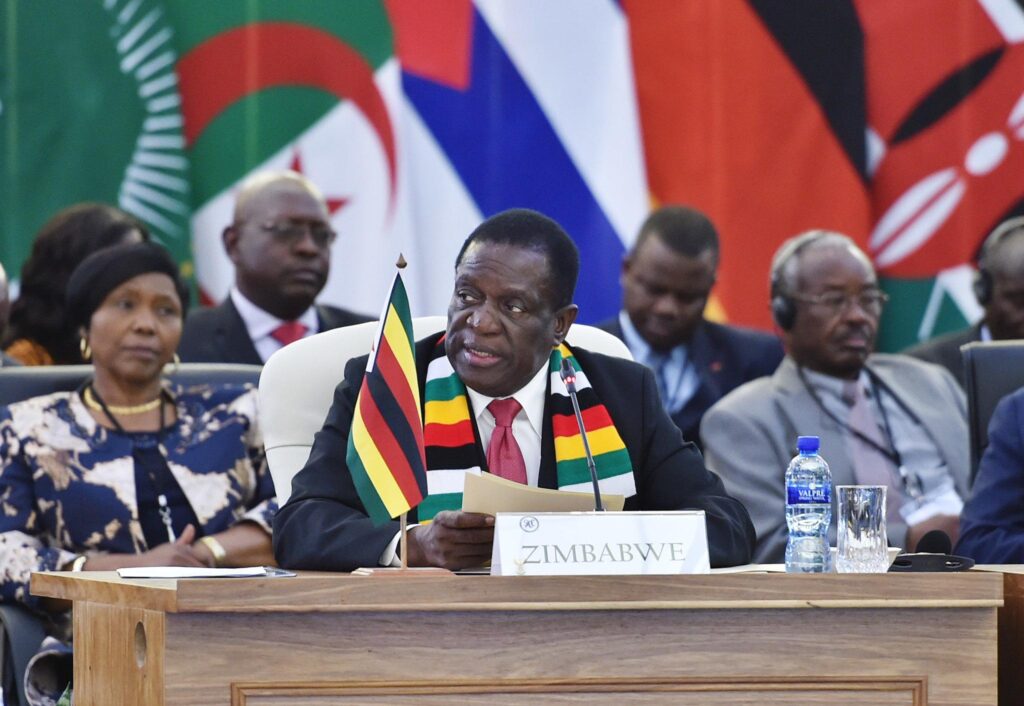
Under Zimbabwe’s Constitution, elections must be held next year. If they are held as required, Emmerson Mnangagwa cannot stand again. That single fact is driving the current panic.
For all the noise about extending Mnangagwa’s rule to 2030, the reality is brutally simple: the logistics of such a manoeuvre are near impossible without tearing the party apart. Any attempt to amend the Constitution would require a referendum, a political gamble ZANU PF would be forced to fight in an environment far more hostile than in previous years.
With Nelson Chamisa back in the political limelight, a referendum would become a de facto vote on ZANU PF itself. That is not a battle the party can confidently win.
And therein lies the problem. ZANU PF has less than a year to either produce a consensus successor or fundamentally rewrite the rules of the game. It has neither the unity nor the credibility to do both.
This looming succession vacuum explains why factional fights are no longer being fought quietly in smoke-filled rooms, but openly, recklessly and through public platforms.
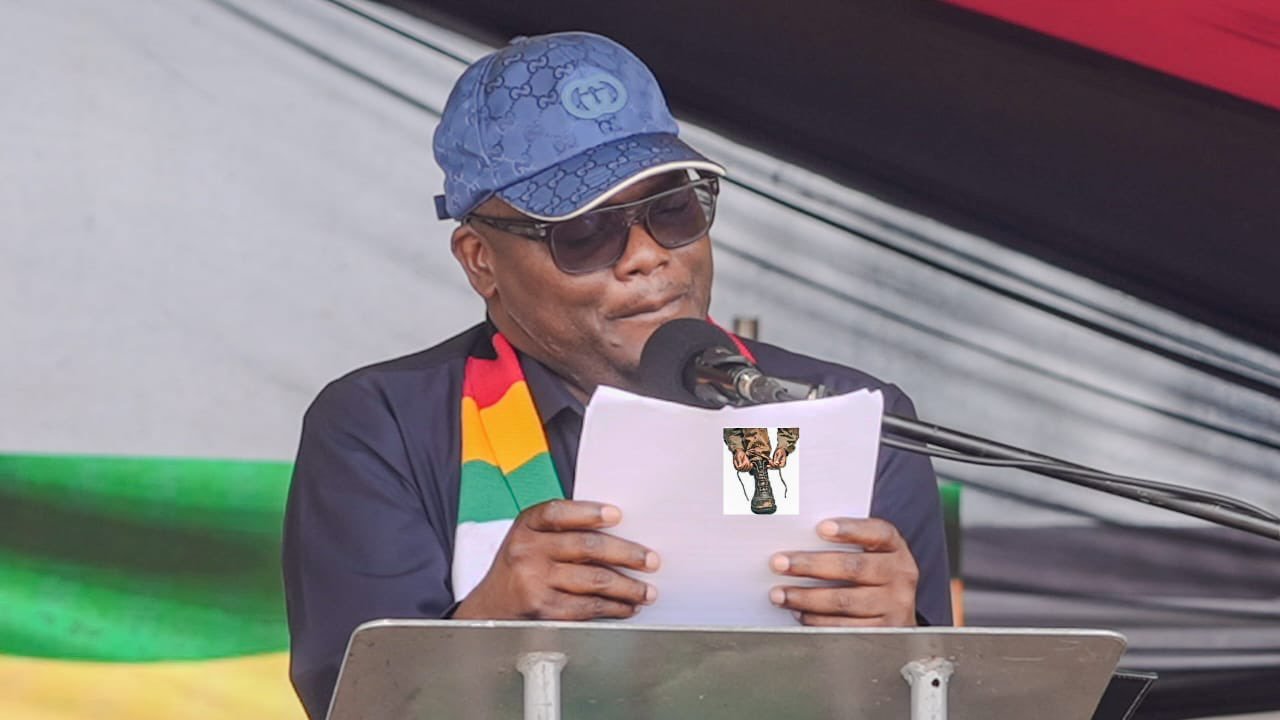
The most telling example is the recent move to clip the wings of President Mnangagwa’s special investment advisor for the United Arab Emirates, Paul Tungwarara. Tungwarara had turned the Presidential Economic Empowerment Revolving Fund rallies in Manicaland into a personal political stage, using them to launch extraordinary public attacks on his rivals.
Without naming him directly, Tungwarara accused Kudakwashe Tagwirei, the Sakunda Holdings owner and ZANU PF Central Committee member, of plotting to pressure Mnangagwa into firing Constantino Chiwenga and other senior officials.
These were not careless remarks. They were deliberate factional missiles, exposing just how deeply succession politics have poisoned internal relations. Tagwirei, once widely touted as a potential successor, is not the only ambitious figure. Others, including Christopher Mutsvangwa, are widely believed to harbour similar ambitions.
Tungwarara himself is understood to enjoy backing from Mutsvangwa, who publicly pledged support for his bid to enter the Central Committee, directly positioning him against Tagwirei. This was not coincidence; it was a declaration of alignment.
The party’s response was swift and revealing. National commissar Munyaradzi Machacha announced the suspension of the Presidential Economic Empowerment Revolving Fund, effectively shutting down Tungwarara’s political oxygen supply. The programme had become his megaphone, and its suspension is widely read within party circles as an attempt to de-escalate factional warfare by silencing one of its loudest combatants.
But the damage is already done.
Tungwarara’s name has previously appeared in a corruption dossier tabled by Vice-President Chiwenga before the Politburo. He was also reprimanded by Parliament for failing to deliver 10,000 boreholes under the Presidential Borehole Scheme. Like Tagwirei and Wicknell Chivayo, he represents the increasingly visible fusion of political power, state contracts and opaque patronage.
These figures are no longer operating quietly behind the scenes. They are now clashing in public because the centre can no longer hold.
This is the deeper story behind ZANU PF’s infighting. It is not simply about personalities or egos. It is about a ruling party that has reached the end of its succession model. Mnangagwa’s departure, whenever it comes, will not be orderly. There is no agreed heir, no uncontested process and no shared vision.
With constitutional deadlines approaching and political pressure rising, ZANU PF is being forced to confront a future it has long avoided planning for. The result is panic, exposure and open conflict.
For observers, the infighting is fascinating. For ZANU PF, it is dangerous. And for the country, it signals that the era of managed stability within the ruling party may finally be drawing to a close.
What looks like chaos is in fact something more revealing: a party realising, too late, that time is no longer on its side.
