
Zimbabwe’s economic managers are once again pointing to “stability” as evidence of progress. Inflation is down. The currency is described as steady. The numbers, on paper, look calm. But stability without growth is not recovery. It is a pause in decline, not a return to health.
Economic recovery is not defined by charts flattening out. It is defined by expansion. Jobs. Investment. Rising incomes. Productivity. Confidence. Without these, stability becomes cosmetic, useful only for press statements and donor briefings.
Zimbabwe today is stable in the narrowest possible sense. Prices are not accelerating at the catastrophic rates seen in previous years, but that is largely because the economy has been compressed to the point where most people simply cannot spend. Demand has been choked. Consumption has been forced down. Inflation falls naturally when people are priced out of markets.
This is not policy success. It is economic exhaustion.
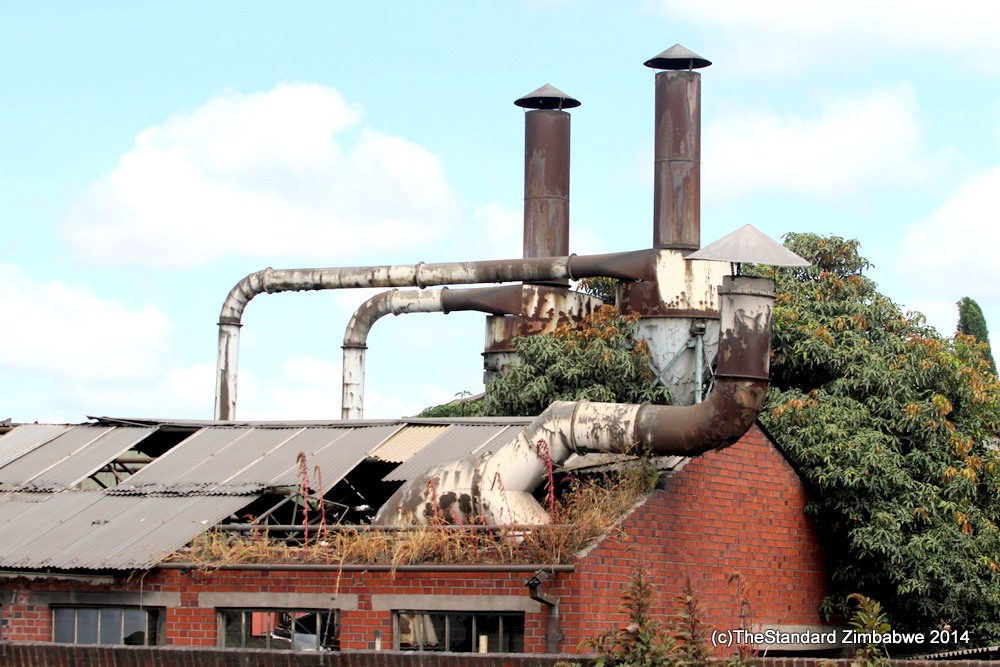
True growth requires engines that Zimbabwe currently lacks. Formal employment continues to shrink. Industry remains under-capitalised. Power supply is unreliable. Infrastructure is decaying. Investor confidence is weak and legal certainty remains elusive. In such an environment, stability merely locks in underperformance.
The informal economy now carries the weight of the country. Millions survive through vending, piecework and cross-border trade. These activities keep households alive but do not generate taxable revenue, productivity gains or sustainable development. An economy dominated by survivalism cannot grow in any meaningful sense.
There is also a dangerous political comfort in stability. A stagnant economy is easier to manage than a growing one. It creates fewer expectations, fewer demands and less pressure for reform. Stability becomes a tool for control rather than a stepping stone to progress.
This is where the distinction matters. Recovery implies momentum. Stability implies restraint. Zimbabwe has mistaken the absence of collapse for improvement.
Growth also requires trust. Businesses invest when contracts are enforceable, policies are predictable and institutions are independent. Without these foundations, capital stays away or remains short-term and extractive. Stability alone cannot compensate for institutional weakness.
The result is an economy trapped in a low-energy equilibrium. It is not falling apart at high speed, but it is not moving forward either. Young people see no future. Skilled workers leave. Those who remain adapt to survival, not ambition.
Zimbabwe does not need celebration of statistical calm. It needs honest recognition that stability is only the beginning, not the destination. Without deliberate efforts to restore growth, diversify production and rebuild confidence, stability simply becomes a holding pattern.
A country cannot spreadsheet its way out of poverty.
It must grow its way out.
Until growth returns, stability will remain what it currently is: a reassuring word masking a deeply uncomfortable reality.
