

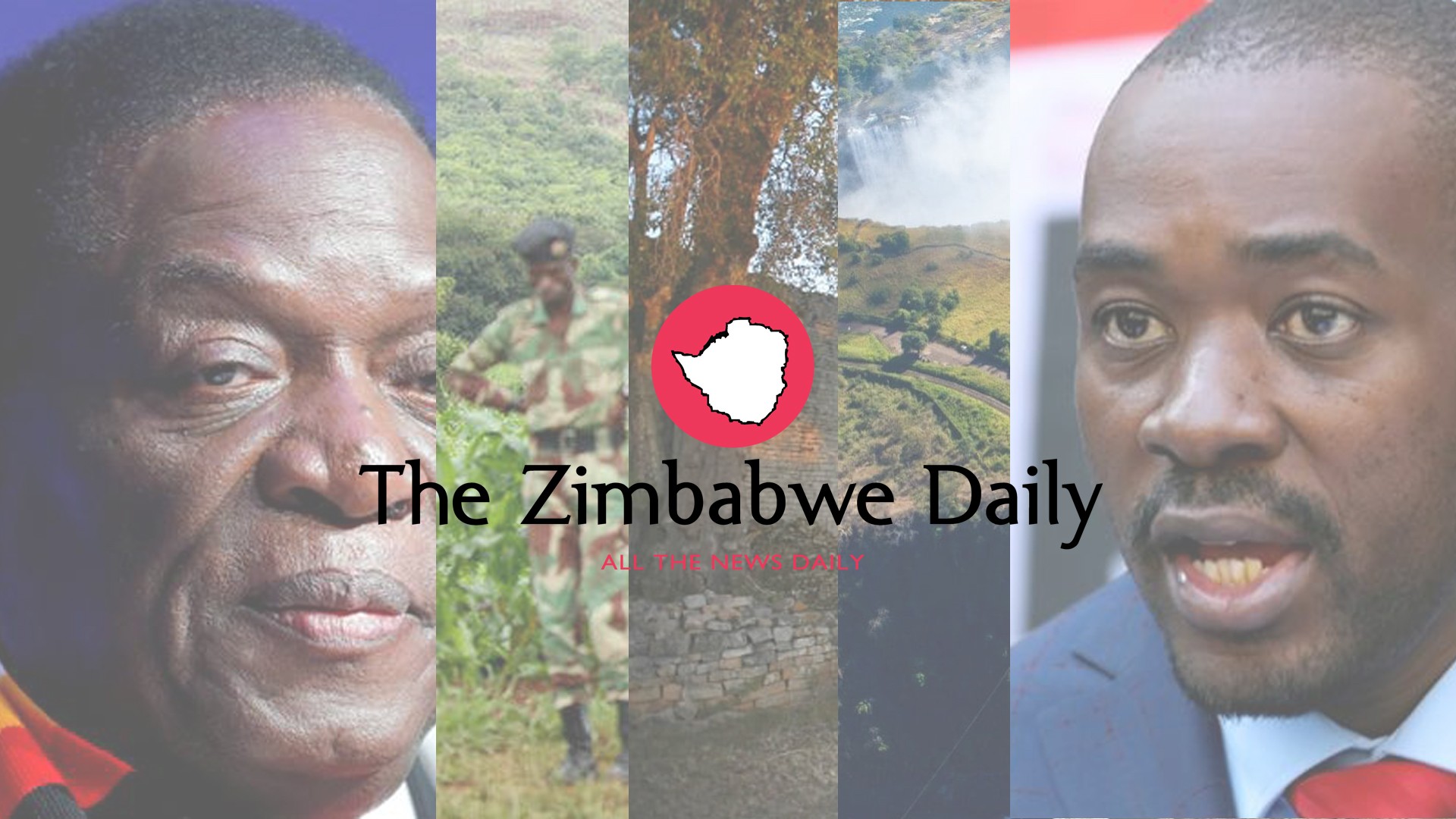
In an interesting development, Nelson Chamisa has announced his return to frontline politics. As expected, the announcement has reignited hope among many Zimbabweans who feel politically orphaned. Yet just as before, the nature of his political vehicle remains vague, raising immediate questions about whether meaningful lessons have been learned from the dramatic collapse of the Citizens Coalition for Change.
There is no doubt that Chamisa represents hope to millions who are exhausted by Zimbabwe’s political stagnation. This is especially true at a time when elements within ZANU PF are openly floating the idea of illegally extending Emmerson Mnangagwa’s term to 2030. The brazenness is startling. Figures such as Temba Mliswa have already begun rehearsing excuses, arguing that the COVID-19 pandemic “robbed” the president of valuable governing time.
This argument is laughable.
If anything, the pandemic was precisely the moment when competent leadership was required. A crisis is not an excuse for failure; it is the test of leadership. To claim lost time is to admit lost capacity.
So yes, Chamisa’s return is exciting. It disrupts political complacency and briefly reminds Zimbabweans that alternatives still exist. But excitement should not be confused with realism. If an election were held next year, I do not see Chamisa winning it.
This scepticism is not rooted in dislike, but in structural reality. ZANU PF still controls the state machinery, the judiciary, the security apparatus, the media landscape and, most critically, the electoral commission. These factors alone make free and fair competition nearly impossible.
But they are not the biggest problem.
The most significant reason ZANU PF remains in power is the wilful stupidity of a large segment of the Zimbabwean electorate. Millions continue to vote for a party that has delivered nothing but poverty, decay and humiliation, while proudly framing deprivation as a revolutionary achievement. Some even sing songs celebrating boreholes and wells in modern cities as if this were progress rather than national failure.
This is not ignorance imposed from above. It is voluntary political submission.
Chamisa cannot win unless he fundamentally changes the mindset of those who actively vote against their own material interests. That requires more than rallies, slogans or charisma. It requires confronting deeply embedded political superstition and cultural loyalty that treats suffering as patriotism.
There is no evidence that this transformation will happen in the next year.
So while Chamisa’s return is welcome, and while hope is emotionally satisfying, hope alone does not win elections in Zimbabwe. Until voters themselves change, the outcome will remain the same.
Provocative? Yes. Uncomfortable? Absolutely. But unless we are prepared to speak honestly about the electorate itself, we will keep repeating the same rituals and expecting different results.
And that, more than anything ZANU PF has done, is the real tragedy.
