

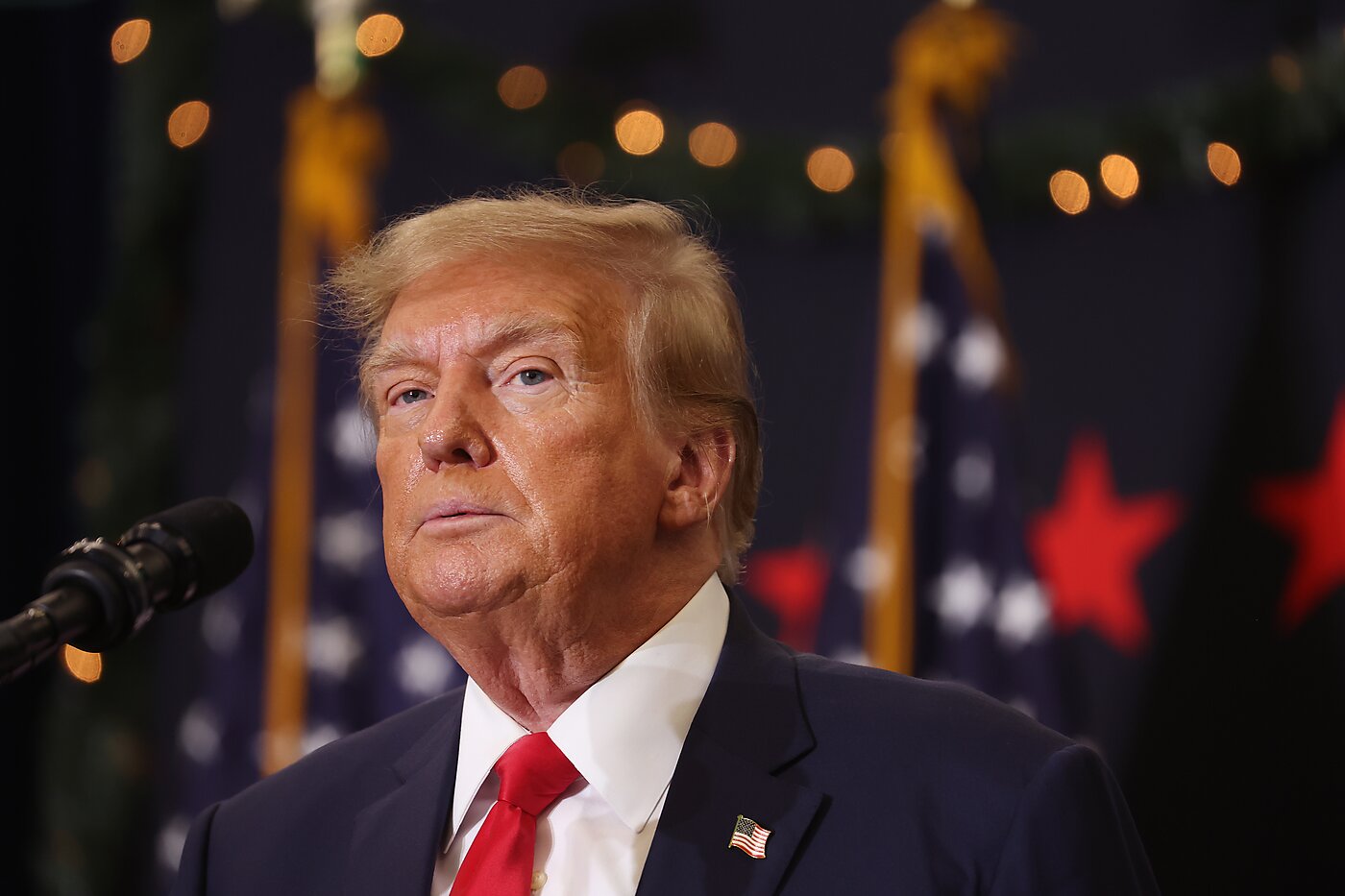
Another week, another provocation from Donald Trump. This time he claims that European allies were not at the “pointy end” of NATO’s wars. The remark is insulting and historically false. European soldiers fought and died in Afghanistan and Iraq. Their sacrifice is not in dispute.
What is in dispute is the moral authority of those now expressing outrage.
Across British politics, figures who spent years campaigning against a stronger Europe are suddenly appalled that the United States questions European credibility. Among them are Kemi Badenoch, Nigel Farage, and a parade of MPs who left the Conservative Party to join Reform UK, taking their Euroscepticism with them.
This is where the outrage collapses under its own weight.
During Brexit, the idea of Europe developing real strategic autonomy was deliberately turned into a scare story. Voters were warned that the European Union “wanted an army”, as if collective defence were evidence of tyranny rather than adulthood. A stronger Europe was framed as a threat to Britain rather than a shield for it.
That argument has not merely aged badly. It has failed completely.
For decades, Europe outsourced its security to the United States through NATO. In return, it accepted dependency and a reduced voice. European states went to war in Iraq and Afghanistan largely because alliance politics and American pressure made refusal costly. These were not wars of clear European choosing, yet Europe paid for them in blood and treasure all the same.
Trump did not invent this imbalance. He is exploiting it.
A continent that cannot guarantee its own defence will always be spoken down to by those who can. That is not ideology. It is geopolitics. Trump’s language is crude, but the vulnerability he is pointing at is real, and it was preserved by those who argued relentlessly against European strength.
This is why the recent hardening of language from Keir Starmer, calling Trump’s remarks “appalling” and “insulting”, matters. For too long, European leaders have offered concessions, soft words, and diplomatic cushioning in the hope of managing Trump. All that achieved was normalisation. Behaviour that would once have been unthinkable was quietly accepted as the price of American protection.
That era is ending, whether Britain admits it or not.
This moment now sets a trap for Reform, for Brexit hardliners, and for those Conservatives who reinvented themselves as anti European crusaders. They cannot argue simultaneously that Europe must remain weak, oppose deeper cooperation, and then demand security guarantees from a United States they no longer trust. They will be forced to choose between honesty and nostalgia.
It also tests Labour and the broader left.
This is the first serious opportunity since Brexit for pro European voices to speak clearly about Britain’s place in the European family without relitigating old referendums. Not as sentiment or regret, but as a matter of security, economic growth, and political stability. When an ally becomes a source of risk rather than reassurance, fence sitting is no longer a serious option.
The question now is simple. When Britain’s security and prosperity are threatened, who stands with us? If the answer is Europe, then pretending otherwise becomes untenable.
Trump did not create this reckoning. He accelerated it. Those who once warned that a strong Europe was dangerous should show some restraint in their outrage. This is not a moment for pearl clutching. It is a moment for clarity.
Europe was warned. Some chose not to listen. Now they are being answered.
