

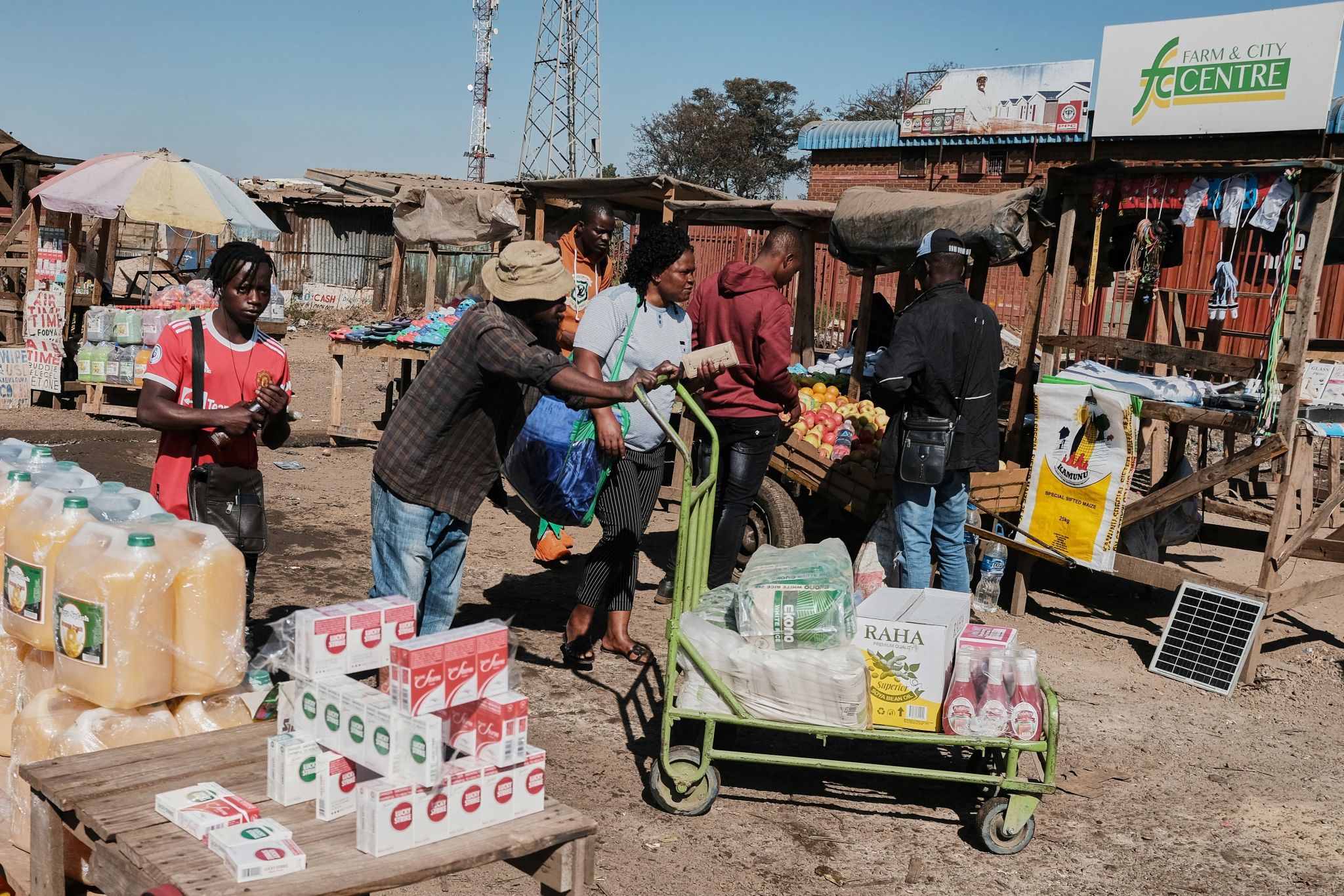
Zimbabwe is being told to celebrate. According to the Zimbabwe National Statistics Agency, annual inflation has fallen to 4.1%, the lowest level recorded since the late 1990s. On paper, it is an extraordinary turnaround. On the ground, it is almost meaningless.
At a time when poverty is visibly deepening, households are shrinking meals, and informal survival has become the default economic model, claims of price stability feel detached from everyday life. This is not an emotional reaction. It is a credibility problem.
Inflation statistics do not exist in a vacuum. They are meant to describe lived economic conditions. When those conditions visibly contradict the numbers, scepticism is not only justified, it is necessary.
The official explanation is neat. Zimstat reports zero month-on-month inflation in January 2026 and sharp declines in both ZWG and USD inflation. Prices, according to the Consumer Price Index, have essentially stabilised. But stability relative to what baseline, and for whom?
Zimbabwe’s economy is not a normal, wage-based economy. Most people do not earn formal salaries adjusted annually or indexed to inflation. Income is irregular, informal and often declining in real terms. In such an environment, low inflation does not translate into affordability. It simply means prices are no longer rising as fast, not that people can afford them.
The poverty data quietly embedded in the same report tells a very different story.
Zimstat places the Food Poverty Line at ZWG 895 per person per month and the Total Consumption Poverty Line at ZWG 1,307. That figure represents the minimum income required not to be deemed poor. The question that immediately follows is obvious: how many Zimbabweans are earning that consistently, legally and in cash?
The answer is deeply uncomfortable.
What this exposes is the growing gap between macroeconomic presentation and social reality. Finance minister Mthuli Ncube has built his economic narrative around stabilisation, discipline and statistical improvement. In technical terms, he may even be correct. Inflation can be suppressed through currency controls, demand compression and restricted liquidity.
But suppression is not recovery.
Low inflation achieved by shrinking consumption, limiting money supply and pricing people out of markets is not economic success. It is economic paralysis. When people stop buying not because prices are fair but because incomes have collapsed, inflation falls by default.
That is not stability.
It is stagnation.
There is also a trust issue. Zimbabwe has a long history of statistical manipulation, selective measurement and methodological opacity. While Zimstat may not be fabricating figures outright, the assumptions behind the CPI basket, the weighting of goods, and the exclusion of informal market realities all shape outcomes in politically convenient ways.
Paper economics can always be made to look tidy. Real economies are messy, unequal and unforgiving.
If inflation were genuinely under control in a meaningful way, we would expect to see secondary indicators improve: reduced food insecurity, rising disposable income, declining informalisation and improved service delivery. None of these are happening at scale.
Instead, the economy remains survivalist. People are not budgeting. They are coping.
Zimbabwe does not suffer from a lack of statistics. It suffers from a lack of trust between numbers and experience. Until official data begins to reflect how people actually live, not how spreadsheets behave, claims of progress will continue to ring hollow.
Low inflation in a poor country is not automatically good news. Sometimes, it is simply evidence that the economy has stopped breathing.
And Zimbabweans can feel that far more clearly than any CPI chart suggests.
