

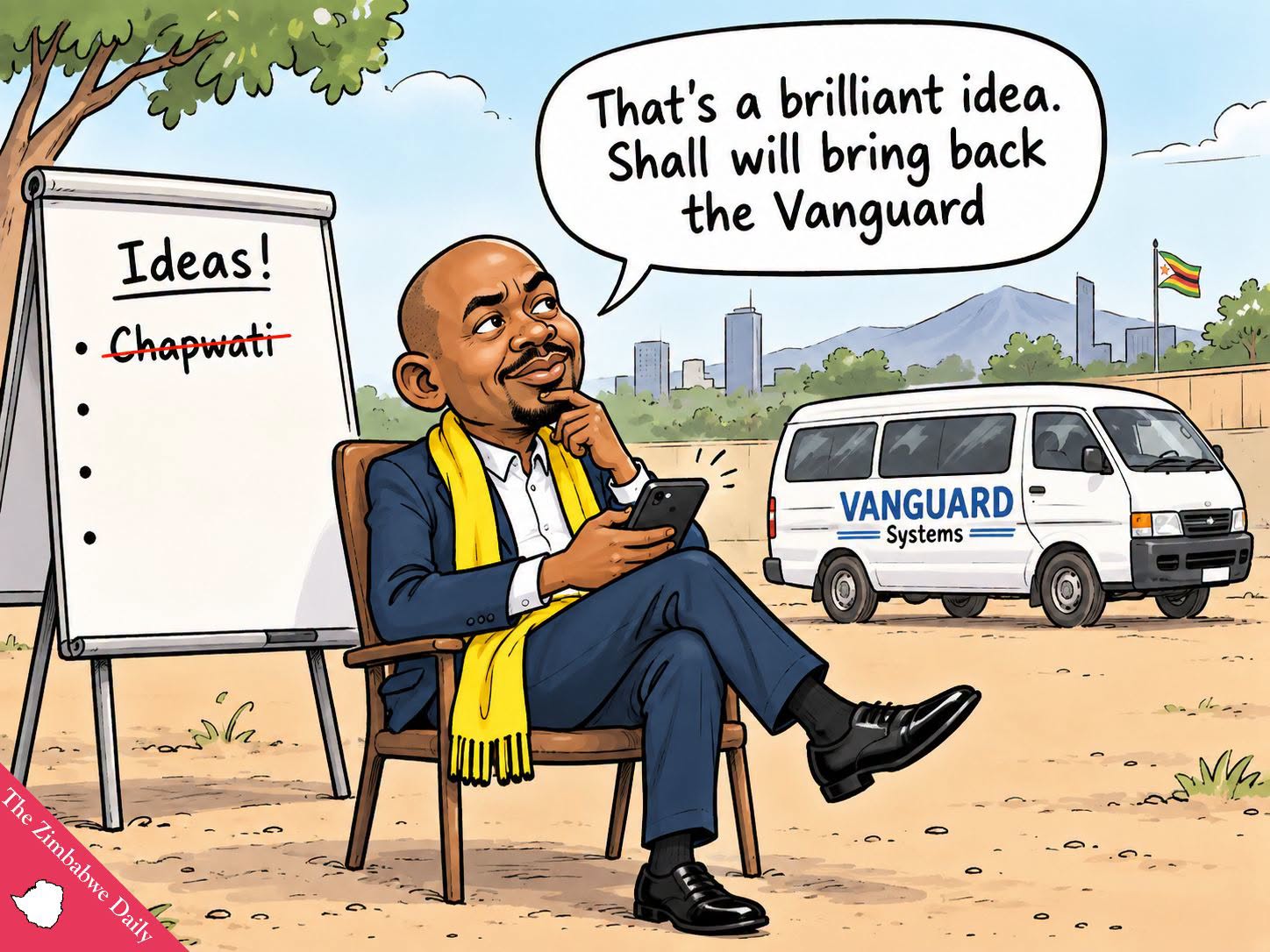
Nelson Chamisa is back with another message that leaves Zimbabweans having to decode what exactly he means. This time it is “Vanguard”. Taking the latest post as quoted, what is Vanguard supposed to mean in 2026? A new structure? A return of former MDC figures? A mobilisation strategy? A metaphor? This matters because “Vanguard” already has political history. The MDC’s Order of the Vanguard was a youth formation established around 2016, and it became controversial amid allegations of violence and intimidation. Chamisa himself told the 2018 Commission of Inquiry that it was a youth structure and that it had ceased to exist. If he is now using the same word for something completely different, then surely the public deserves an explanation rather than another political crossword puzzle.
And this is becoming the broader problem with Chamisa’s strategy. In January he returned to active politics promising a fresh citizens’ movement. In July his office was still describing “the new” as something being built through consultation, and just days ago he said it was being constructed “quietly, steadily, deliberately”, adding that much of what is being built may not yet be visible. His supporters can reasonably argue that secrecy has tactical value in a political environment where infiltration is a genuine concern. But there is a difference between keeping sensitive organisational details private and leaving citizens guessing about the basic political offer. What is the movement called? How is it organised? Who is accountable to whom? What policies distinguish it? What is the route from inspirational messages to actually contesting power?
That is why these cryptic posts increasingly invite ridicule rather than confidence. We had Chapwati, biblical language, talk of “the new”, “new ways, new strategies, new tactics”, and now Vanguard. At some point a serious opposition project has to graduate from symbolism into institutional clarity. Chamisa himself has recently argued that the original MDC succeeded because it emerged from a broad consultative citizens’ movement rather than simply appearing as another conventional party. Fine. Then show Zimbabweans what has been learned from that history. Publish a proper statement. Explain the structure. Explain the strategy. Explain what Vanguard means. Citizens should not need fifty Facebook comments and three political analysts to translate a leader’s sentence.
And yes, I already know what will happen after saying this. Some Chamisa supporters will accuse me of attacking the opposition or helping ZANU PF. That misses the point completely. Scrutiny cannot only apply to the people we dislike. If Chamisa wants to present himself as an alternative national leader, then asking him for clarity, organisation and direction is not hostility. It is the minimum standard political leadership should meet. ZANU PF is a formidable, deeply entrenched political machine. Cryptic Facebook posts are not a substitute for explaining how you intend to confront it. At the moment, the public can see that Chamisa says something is being built. What remains far less clear is what exactly is being built, who is building it, and how it gets Zimbabwe from where it is now to where he says he wants to take it.
